
As the world becomes more connected and digital, accessibility has become a critical element of every marketing strategy. In 2025 and beyond, the collective focus on inclusive experiences will only intensify, and businesses must adapt to stay relevant, competitive, and ethical.
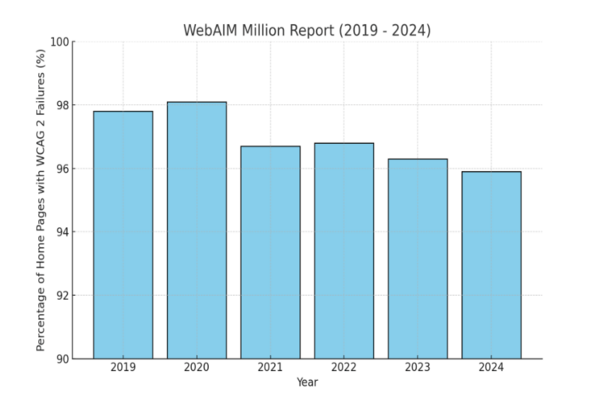
You already know that digital accessibility impacts business on every level. Yet, many brands still underestimate how crucial inclusive design is for marketing success. WebAIM’s 2024 accessibility report shows 95.9% of the top one million homepages had WCAG failures. This indicates that most online experiences still do not meet basic accessibility standards—excluding an accessibility market with an annual spending power of over $13 trillion.
By June 2025, the European Accessibility Act (EAA) will require companies operating in the EU to meet stricter accessibility standards. This legislation underscores a global shift toward standardized, inclusive practices—and soon, these requirements will be the norm in every major market.
Why should this matter to you? Non-compliance isn’t just an EU concern. Similar legislation worldwide (like the Americans with Disabilities Act in the U.S. or the UK Equality Act) can expose your brand to lawsuits, fines, and significant reputational damage. In this article, you’ll learn about the top accessibility trends shaping the future of marketing in 2025 to help you create the most inclusive marketing campaigns.
Accessibility in Marketing: Emerging Trends for 2025
- AI-Powered Accessibility Tools
- Voice Technology & Voice Search Optimization
- Customer Experience & Inclusive Designs
- Video & Audio Accessibility
- Mobile Optimization
- SEO & Accessibility
- Clean Data for AI-Driven Personalization
- Data Privacy & Ethical Marketing
- Influencer Marketing
- Zero-Data Party Collection
AI-Powered Accessibility Tools
The next wave of accessibility innovation revolves around AI-driven solutions that adapt web content in real-time. For example, AI can automatically generate alt text, create captions for videos, or detect color contrast issues on your landing pages. Solutions like Equally AI provide user-friendly integrations that harness these automated capabilities to scan web content accessibility pitfalls and offer remediation suggestions on the spot.
A 2024 study found that AI-generated alt text improved the clarity of product images for visually impaired users. Specifically, researchers noted that retailers implementing these AI solutions saw fewer abandoned shopping sessions and higher customer satisfaction rates. This suggests that accurate and contextually relevant AI-generated alt text can foster a more inclusive shopping experience for all users.
Voice Technology & Voice Search Optimization
Marketing is shifting toward a voice-first approach as more consumers use voice assistants and screen readers. Forward-thinking marketers are already leveraging speech analytics to understand how customers verbally interact with their sites. This enables them to create more tailored and dynamic user journeys, leading to reduced bounce rates and improved overall accessibility.
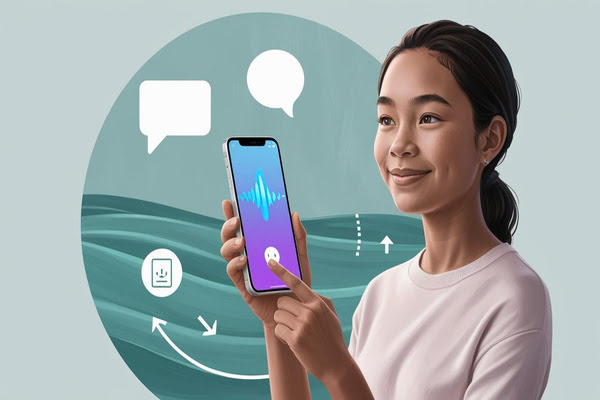
You can help your audience by optimizing your content for these technologies. This means ensuring your site is easy to navigate through voice commands or screen readers, using clear headings, and employing natural language (writing how people actually speak, not just in SEO keywords).
Customer Experience (CX) and Inclusive Design
Today’s marketing spans multiple channels—emails, social media, ads, and more. Each touchpoint must incorporate accessible design principles such as color contrast, scalable text, and intuitive layouts. When you think holistically about customer experience, you realize it encompasses everything from an intuitive website layout to accessible customer support channels.
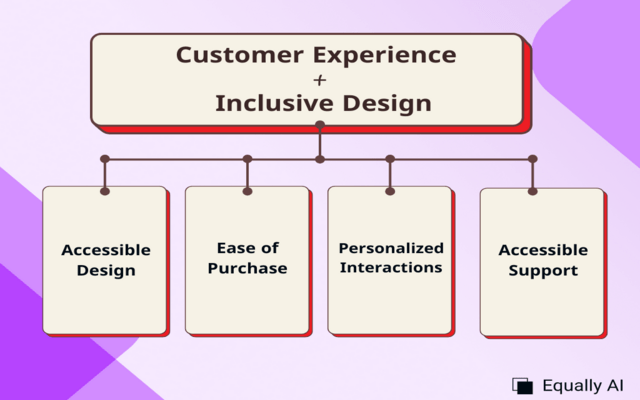
Many brands are turning to AI-driven chatbots. These intelligent assistants work seamlessly with screen readers or voice commands to offer quick, accurate, and personalized interactions. Such integrations can help foster a positive brand image and expand the reach of marketing campaigns to a broader audience.
Top tip: Test your color palettes using contrast-checking tools (e.g., WebAIM Contrast Checker) to verify readability for users with vision impairments.
Video & Audio Accessibility
Demand for video content is soaring, but so are requirements for closed captioning, transcripts, and audio descriptions—particularly under the EAA and related global policies. Closed captions have been a regular sight on social media since Instagram and TikTok introduced auto-captioning features in 2021. LinkedIn joined the trend in 2022 by providing real-time captioning for its Audio Events, helping people with hearing impairments to access its content.
In 2025, we should expect to see more businesses promoting diversity and inclusivity in social media marketing. To leverage this trend, focus on making your social media content accessible to all users, regardless of their ability. This can include providing alternative text for images, using clear and simple language, and ensuring compatibility with assistive technologies.
Mobile Optimization
While desktop accessibility is paramount, most people now browse via smartphones or tablets. This makes mobile accessibility a critical focal point. Built-in tools like VoiceOver on iOS or TalkBack on Android help users with disabilities navigate apps and websites. However, they only work if your content is structured correctly.
When you ensure that buttons, headings, and text scale seamlessly on small screens, you avoid alienating a user base that can’t (or won’t) switch to a desktop environment. To cater to their needs, provide adequate contrast and use large touch targets. It’s also important to give users the option of orienting between portrait and landscape modes.
SEO & Accessibility
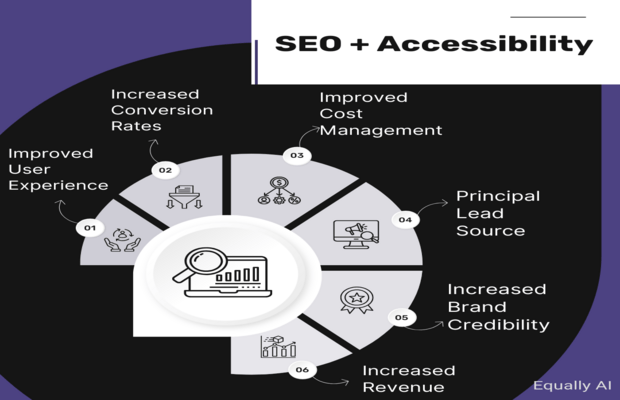
As you elevate your data practices, it’s natural to turn your attention to Search Engine Optimization (SEO). Here’s the good news: accessibility and SEO go hand in hand. Responsive design, clear heading structure and improved content readability make your site mobile-friendly and easier to use. These accessibility features also give search engines cleaner signals to index your content effectively.
On the technical SEO front, factors such as faster load times, straightforward site navigation, and organized markup benefit both assistive technology users and search engine crawlers. It’s wise to run a combined audit that checks both performance metrics (like page speed) and accessibility metrics (like keyboard-only navigation). By doing so, you can optimize for every user, whether it’s Google’s algorithms or someone using a screen reader.
Clean Data for AI-Driven Personalization
At the heart of modern marketing lies artificial intelligence, but AI is only as effective as the data behind it. Feeding your AI models clean, high-quality data enables them to generate more accurate captions, deliver meaningful product recommendations, and adapt content to different accessibility preferences. Whether it’s alt text for images or voice search optimization, data integrity underpins every accessible feature.
Major e-commerce players like Amazon and Walmart have already shown how refining data inputs can dramatically improve customer satisfaction. By systematically labeling products, removing duplicates, and including metadata that captures accessibility needs, these giants ensure that users receive personalized recommendations. The result? Higher engagement, more time on site, and improved overall satisfaction ratings.
Data Privacy and Ethical Marketing
Modern consumers increasingly demand sustainable products and ethical marketing practices, and data privacy is a cornerstone of this. Whether when collecting preferences for personalization or logging user feedback for improvements, you must ensure that consent forms, pop-ups, and cookie notices are all accessible via keyboard and screen readers.
Beware of “accessibility greenwashing”—claiming inclusivity without putting in the real work. Ultimately, respecting privacy in an accessible way builds trust. Prioritizing these elements sets you apart as a brand that genuinely respects its audience’s choices.
Influencer Marketing
Influencer marketing isn’t going away, but it is evolving. Brands now realize that partnering with advocates from the disability community sends a powerful statement about genuine inclusivity. These influencers—be they micro or macro—bring not only their loyal followings but also lived experiences that can educate your team on making your products and messaging more accessible.
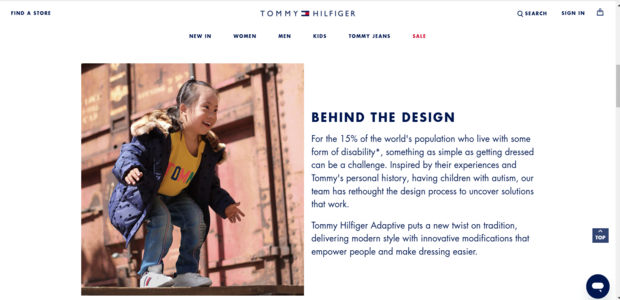
Companies like Tommy Hilfiger Adaptive and Nike FlyEase lines have successfully tapped into this movement, collaborating with influencers who have disabilities to highlight how universal design can be stylish, functional, and cool. The result: positive PR, organic engagement, and a ripple effect of awareness within untapped customer segments.
Zero-Party Data Collection
According to Forrester Research, zero-party data is:
“data that a customer intentionally and proactively shares with a brand, which can include preference center data, purchase intentions, personal context, and how the individual wants the brand to recognize them.”
In a privacy-conscious world, zero-party data—where users willingly share their preferences—stands out as both ethical and effective. Gathering details on text size, color contrast, or language preferences empowers you to craft a user experience that’s genuinely tailored without feeling invasive.
By asking upfront about someone’s accessibility needs, you clarify that your brand is committed to providing a frictionless journey. This not only drives better engagement but also deepens trust: users see you value their comfort and autonomy.
Next Steps for Marketing Teams
While trends come and go, accessibility is here to stay. As the digital marketing landscape continues to evolve, there will be more opportunities and possibilities for brands to engage more meaningfully with their audience. Through them all, accessibility must be a continuous process embedded into every aspect of your marketing campaigns — from conception to execution and monitoring.
Here’s a practical proactive approach you can implement today:
- Book a demo with an expert on our team for guidance on auditing your current website and content to find and fix existing accessibility gaps.
- Run a free scan of your website for WCAG 2.2 AA conformance to know your current status.
- Install our accessibility assistant to provide your users customizable profiles to suit their unique browsing needs.
By integrating AI tools like Equally AI, you can stay agile, responding to evolving web accessibility expectations and user needs without overextending your resources. It’s an approach that aligns with the ongoing push toward inclusive innovation—one that positions your brand to keep pace in a rapidly transforming digital landscape.