Several famous people with disabilities have proven that limitations don’t define success. Their stories challenge stereotypes and remind us of the strength of human potential.
But these stories reveal something even more powerful: why inclusive design in the digital world matters. Whether it’s someone with Williams Syndrome navigating a website or a person with autism using assistive tech, the way we design digital platforms can empower—or exclude.
In this article, we’ll spotlight real individuals with disabilities who’ve shattered ceilings. But we’ll also explore the role of web accessibility in making sure everyone has a seat at the digital table.
Celebrities often appear to have it all. But behind the scenes, they deal with much more than we see on stage, on screen, or online. You might not know it, but there are several famous people with disabilities. Yet, that hasn’t stopped them from rocking the music scene, taking lead roles in movies, or excelling in their chosen fields.
We explored the stories of some notable figures with disabilities who have redefined the boundaries of success. These individuals have conquered personal battles and now use their influence to advocate for inclusion and accessibility. We hope their resilience inspires you as it does us.
Famous People with Williams Syndrome
Williams syndrome is a genetic condition which affects 1 in 10,000 people worldwide. People with Williams Syndrome have mild-to-moderate cognitive and learning disabilities. They may struggle with visual-spatial tasks like drawing or puzzle-solving. But they also excel in verbal communication, music and memorization through repetition.
Since Williams Syndrome is a rare condition, there aren’t many celebrities or public figures who openly discuss having it. However, this doesn’t diminish the achievements of less-popular people who do. There’s a thriving community of people with this condition, and they’re living rich and rewarding lives. Here are a few:
Ben (‘Big Red’) Monkaba
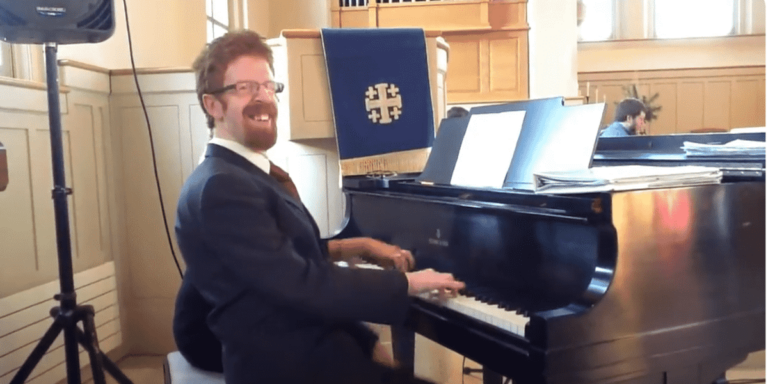
What’s the best way to raise awareness about a rare condition? Sharing your own story. At least that’s what Ben Monkaba thought, and we’re inclined to agree. Born with Williams Syndrome, Ben was known for his friendly and outgoing nature as a child. Now a successful musician and entertainer, he uses his talent to connect with people and share his passion for music.
Despite health complications, Ben actively uses his personal experiences to raise public awareness about Williams Syndrome. His resilience and efforts towards positive change show the world that disabilities cannot dim the light of talent and determination.
Amy Kotch
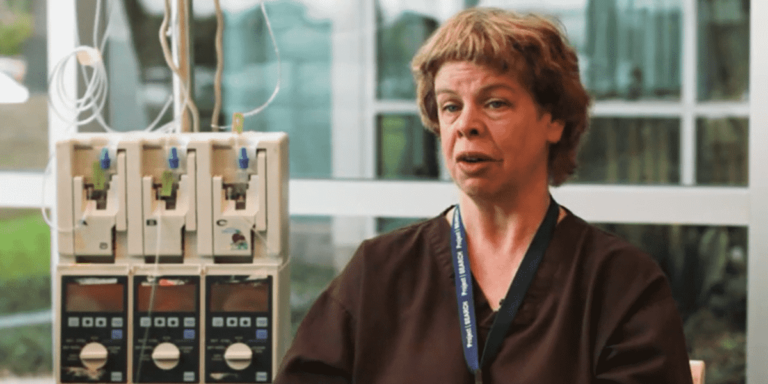
Amy Kotch is an inspirational woman who spreads awareness about Williams Syndrome by publicly sharing her experiences living with the condition. She was featured on KLRU-TV’s “Women and Girls Lead” series, a program dedicated to empowering women. Besides speaking at conferences and events, Amy has a significant social media presence, where she shares her day-to-day experiences and interactions.
Amy is also a member of the Williams Syndrome Association and offers support to others with the condition. Her candid discussions about her life, positive outlook, and determination to live life to its fullest inspire many. In her words, “Be proud of who you are” and “You can do anything you want to, as long as you set your mind on it.”
Gloria Lenhoff
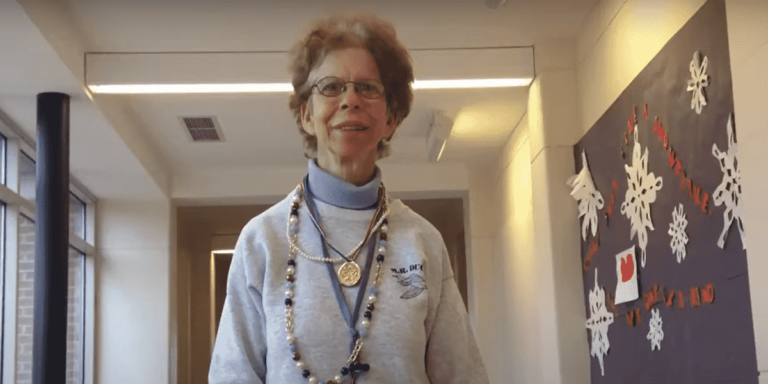
Gloria Lenhoff exemplifies how the hypermusicality often associated with Williams Syndrome can result in extraordinary talent. Her parents, Howard and Sylvia Lenhoff, discovered her talent as a child. Despite severe intellectual disabilities, Gloria can memorize lyrics in a way most of us can only dream of.
Gloria has a collection of over 2,000 opera songs in multiple languages, including French, Italian, German, Japanese and Yiddish. Her remarkable operatic performances have also captivated worldwide audiences. Her life story and her family’s journey with Williams Syndrome are documented in the book, “The Strangest Song”.
Gabrielle Marion-Rivard
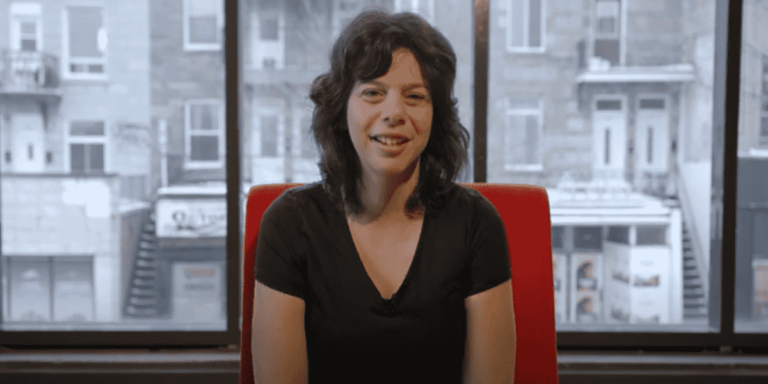
Talented Canadian artist Gabrielle Marion-Rivard turned her disability into a powerful asset. She landed a lead role in the movie “Gabrielle”, which mirrors her own life experiences living with Williams Syndrome. The film was a huge success and Gabrielle won the Canadian Screen Award for Best Actress in 2014.
“My acting is authentic because I live what my character lives,” Gabrielle once mentioned in an interview. She continues to use her celebrity influence to raise awareness about Williams Syndrome and support inclusivity efforts.
Famous People with Autism
Autism Spectrum Disorder (ASD) covers a wide range of conditions that affect how the brain develops. According to the Centers for Disease Control, about 1 in 45 adults in the United States are autistic. Each person’s experience with autism is unique. However, common traits include challenges with communication, social skills and repetitive behavior.
Despite these challenges, many people with autism have found success in their chosen fields and now lead successful, impactful lives. These include:
Greta Thunberg
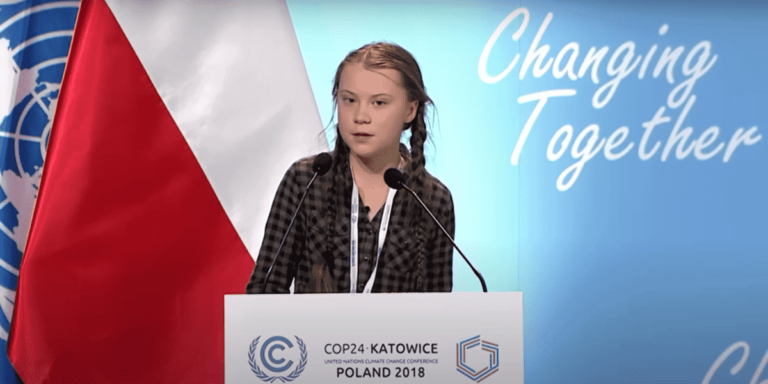
Greta Thunberg is a Swedish environmental activist and global figurehead in the fight against climate change. Born in 2003, Greta was diagnosed with Asperger’s syndrome (a type of ASD) along with obsessive-compulsive disorder (OCD) and selective mutism. She first learned about climate change when she was eight years old. By 15, she began skipping school to protest outside the Swedish parliament, demanding more decisive action on climate change.
Greta sees her Asperger’s as a superpower that allows her to think differently and remain focused on her goals. She once said in an interview, “Being different is a gift.… It makes me see things from outside the box. If I was like everyone else, I wouldn’t have started this school strike.” Her advocacy began the ‘Fridays for Future’ movement, which has drawn in millions of youths globally.
Elon Musk
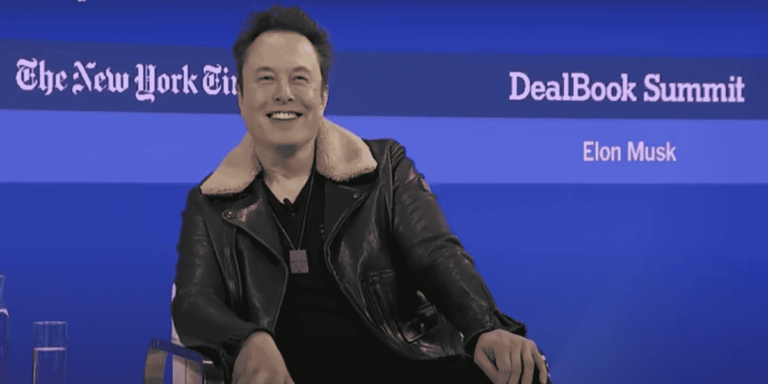
The CEO of SpaceX and Tesla revealed in a 2021 episode of Saturday Night Live that he has Asperger’s syndrome. This makes him one of the most high-profile business magnates to publicly discuss living with the condition. It also gave the public a glimpse into how his innovative mind works and his approach to problem-solving.
Despite being an introvert, Elon has a genius for imagining the future. We see this clearly in his ambitious projects like electric cars, underground tunnels to ease traffic congestion and even the colonization of Mars. By openly talking about his neurodivergence, Elon challenges the stereotype and proves that brilliance exists in different forms.
Tom Malone Jr.
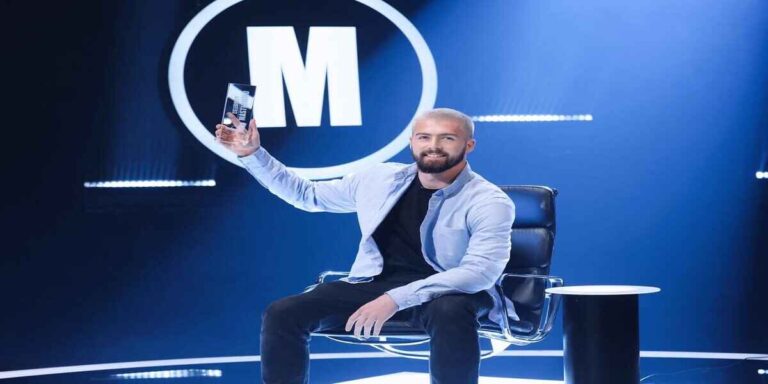
Professional dancer Tom Malone Jr. has been open about his journey with autism. (You’d probably recognize him from the British reality show “Gogglebox”.) Like many other autistic people, he was diagnosed as an adult when he was 28. He found out when he noticed similar characteristics in himself and his autistic nephew and decided to get tested.
Tom’s attitude and openness about his experience are helping shift misconceptions about autism. He once shared on Instagram, “Autism isn’t a disability…It’s a different ability.” Using social media, Tom continues to advocate for awareness, making him a relatable figure for many people living with ASD.
Sir Anthony Hopkins
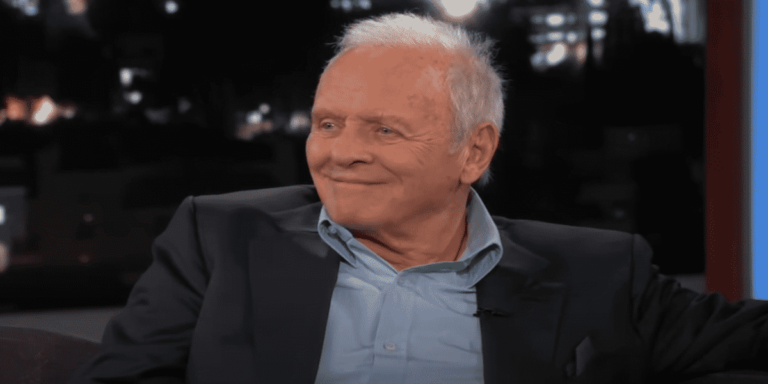
Most people know him for his intriguing portrayal of Hannibal ‘The Cannibal’ Lecter in the horror/crime film ‘The Silence of the Lambs’. But perhaps less known is that he was diagnosed with high-functioning Asperger’s Syndrome relatively late in life. He believes this explains some of his quirks, such as being obsessive and able to fully immerse himself in his roles.
In an interview with The Guardian, Hopkins mentioned, “I definitely look at people differently. I like to deconstruct … and my view will not be the same as everyone else.” His success and openness challenge misconceptions about ASD, showing how it can shape one’s strengths and capabilities.
Famous People with Dissociative Identity Disorder
Dissociative Identity Disorder (DID), once called Multiple Personality Disorder, is a mental health condition that affects about 1.5% of the global population. It is characterized by the presence of two or more distinct personality states. Despite the challenges, several people with DID excel in various fields, becoming strong advocates for mental health. Let’s explore their journeys!
Truddi Chase
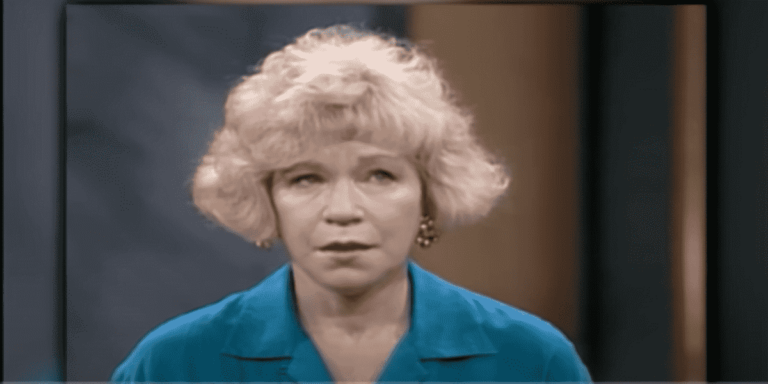
Perhaps one of the most famous cases of DID is that of American author Truddi Chase. American author of “When Rabbit Howls.” Born in 1935, Truddi spent most of her life with undiagnosed DID, resulting from severe childhood abuse. Her autobiography, ‘When Rabbit Howls’ tells the stories of her 92 distinct personalities or “troops” as she calls them.
Truddi saw her multiple personalities as a survival tool and never tried to integrate them. She became an advocate for DID awareness, appearing on various shows, including Oprah Winfrey’s, to share her experience. To date, her frank conversations about her experiences play a monumental role in educating people about DID.
Kim Noble
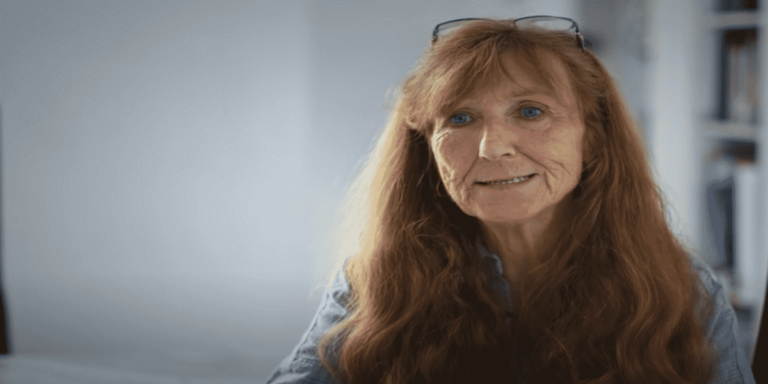
Kim Noble, an English woman diagnosed with DID, has 20 personalities, each with its distinct style in painting. Born in 1960, Kim was unaware of her condition until her 20s. She has no memory of the abuse she suffered as a child, but her various alters helped her cope with the trauma.
Each of Kim’s alters has a different age, nationality, and artistic style, contributing to her wide-ranging and impressive work. Today, Kim’s paintings are exhibited nationally and internationally. By sharing her artwork and story, Kim has provided valuable insights into living with DID and challenged the stigma surrounding mental health disorders.
Herschel Walker
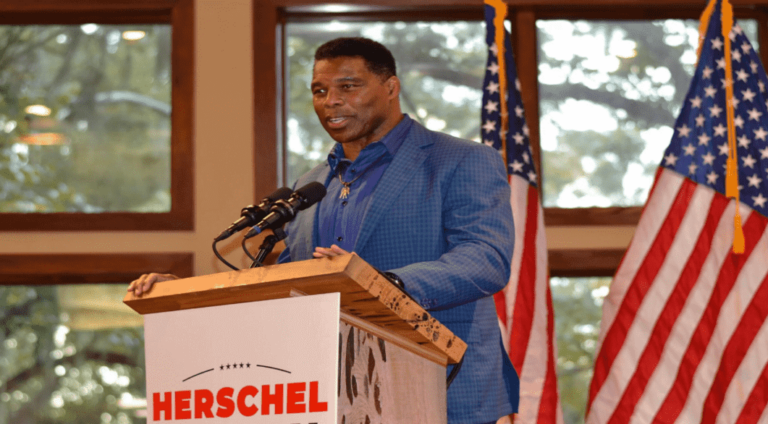
Herschel Walker is a former professional football player, Olympic bobsledder, and mixed martial artist. He also ran as the Republican candidate representing Augusta, Georgia in the U.S 2022 Senate election. Herschel was often bullied as a child and says this triggered him to develop multiple identities as a coping mechanism.
In his autobiography, “Breaking Free,” Walker speaks candidly about coping with DID. He emphasizes the importance of seeking help and breaking the bias associated with mental health. Herschel continues to raise awareness about DID, advocating for understanding, support, and treatment for those with mental health conditions.
Adam Duritz
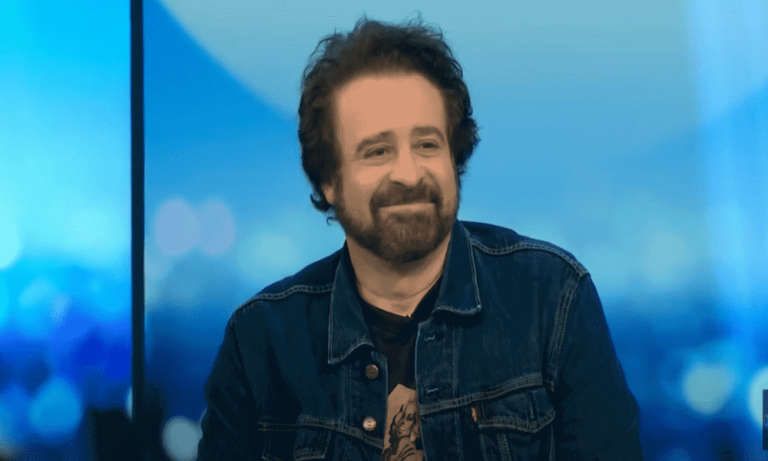
Adam Duritz, the lead singer-songwriter of the alternative rock band Counting Crows, has also been vocal about his experiences with DID. He has shared insights into the challenges of managing DID while pursuing a successful music career. “Nobody’s gonna fix it,” he says. “Instead, you simply find ways to learn to live with it.”
Nonetheless, Adam remains a big advocate of self-care, acceptance and support for people with mental health issues. His openness about his own journey endears him to many fans. It has also helped to break down misconceptions around DID and other mental health conditions within the music industry.
Celebrities with Apraxia of Speech
Apraxia of Speech (AOS) is a motor speech disorder. People with the disorder know what they want to say but struggle with actually speaking the words. This condition affects about 1 in 1,000 people in the US, often leading to feelings of frustration and isolation. However, some celebrities are stepping forward to share their experiences (and we’re glad to see it!).
Ronda Rousey
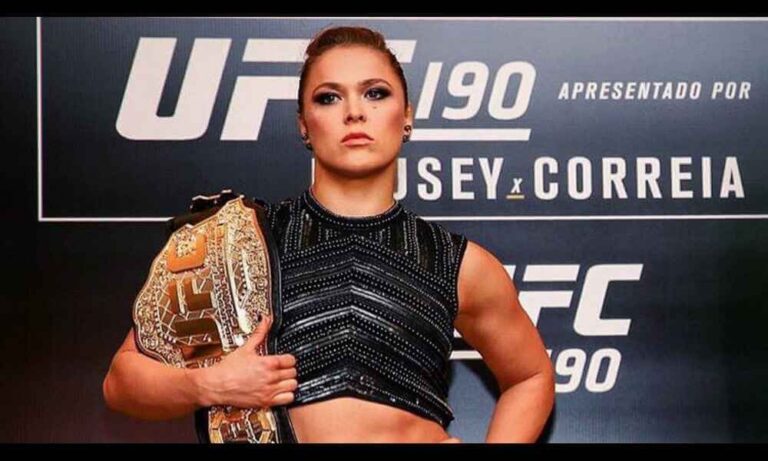
Though not diagnosed until her twenties, former UFC champion Ronda Rousey has spoken openly about her lifelong struggle with apraxia. She once described the condition as “like having the right words in your head, but your mouth just won’t form them.” In an interview, she shared, “I’d get so frustrated because I knew exactly what I wanted to say, but I physically couldn’t get my mouth to form the words.”
Despite these challenges, Rousey achieved incredible athletic feats, becoming the first woman inducted into the UFC Hall of Fame. Her story is proof that AOS doesn’t have to limit one’s potential. Her journey not only motivates those living with the disorder but also challenges societal perceptions of strength and communication.
Drew Lynch
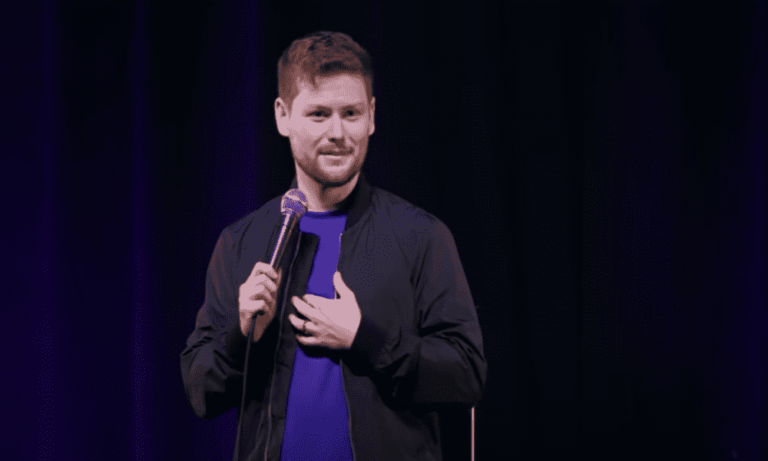
Comedian Drew Lynch isn’t afraid to laugh at himself and that includes his apraxia. Diagnosed after a sports injury left him with speech difficulties, Lynch turned his unique way of speaking into comedic material. A finalist on America’s Got Talent season 10, Lynch’s stand-up routines use humor to bridge the gap between those with and without AOS.
“I used to be really self-conscious about the way I talked,” Lynch admits. “But then I realized that if I could make people laugh with it, that would be a pretty cool superpower.” By using a fun approach in his comedic acts when talking about AOS, he helps people understand it better.
Carly Fleischmann
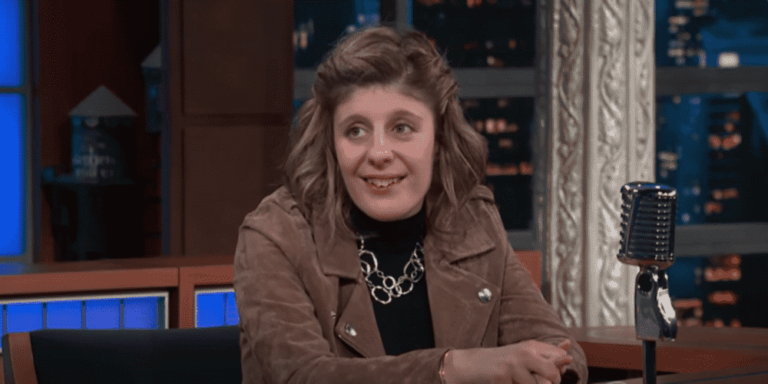
Carly’s parents noticed something was different about her when she didn’t reach the same milestones as her twin sister. She was eventually diagnosed with non-verbal autism and apraxia. This left her unable to speak and feeling trapped inside her own body. But at the age of 10, Carly had a breakthrough. Feeling unwell one day, she turned to her computer and typed three simple words: Help. Teeth. Hurt.
From that moment, a whole new world opened up for her. Her incredible story gained global attention, featuring on Larry King Live, The Late Night Show and The Ellen DeGeneres Show. Despite the ongoing challenges of autism, Carly faces life with optimism, insight, and a sharp wit. She now runs a YouTube channel, “Speechless with Carly Fleischmann” with over 150,000 subscribers. There, she uses text-to-speech technology to express her vibrant personality, discussing everything from daily life to social issues.
Why These Stories Matter for Web Accessibility
While these stories are deeply human and personal, they carry powerful insights for the digital world:
Inspiration Must Lead to Action
It’s easy to feel inspired by resilience and talent. But we must move beyond inspiration and create inclusive digital environments that allow people with disabilities to thrive—not just observe.
For example, imagine if Carly Fleischmann didn’t have access to assistive technology. Or if a website displaying Greta Thunberg’s advocacy wasn’t screen reader-friendly. Web accessibility is the foundation that enables these voices to be heard and amplified.
Representation drives empathy—and better UX
When we see people like ourselves represented online, we feel seen. Including real stories like those in this article on your platforms shows you care about all users. But more importantly, it reminds us that accessibility is not about “special features”—it’s about human-centered design.
Whether you’re designing a user interface, publishing content, or coding a feature, always ask: Can someone with limited vision, mobility, or neurodiversity use this easily?
Inclusion Makes Business Sense
Accessibility is not just ethical—it’s strategic. As shown earlier, inclusive companies outperform their competitors across key performance metrics. And with over a billion people worldwide living with a disability, the accessibility market is not a niche—it’s mainstream.
[Check out our free accessibility statement sample here]
Let’s Redefine Accessibility Together
The lives and work of these celebrities remind us that disability is not something to be “fixed”—it’s something to be understood, accommodated, and respected. That mindset should extend into how we build our digital spaces.
If you’re a business leader, marketer, designer, or developer, this is your call to action. Let’s move from awareness to implementation—and build a web that welcomes everyone.